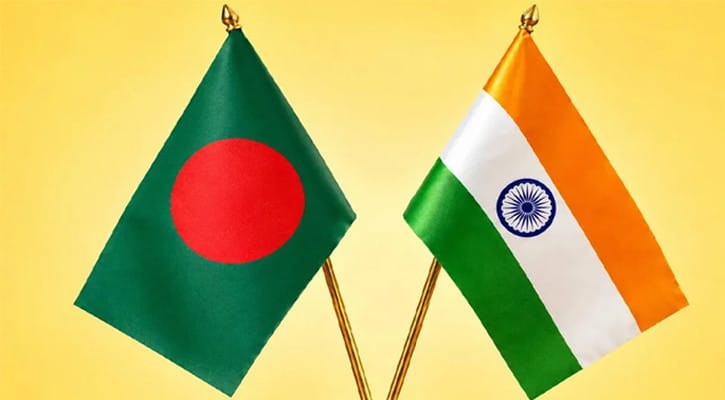
On August 5, an audio speech by the ousted former prime minister was broadcast at the Foreign Correspondents' Club of South Asia (FCC) in New Delhi. Bangladesh issued a strong response condemning the event and warned that allowing Sheikh Hasina to deliver political statements from Indian soil could further damage bilateral relations.
In response, Indian authorities stated that the event was organized by a private entity without government involvement. However, analysts note that despite official explanations, the incident has added pressure to an already complex diplomatic dynamic.
While Bangladesh maintains a clear diplomatic position regarding Sheikh Hasina’s political activities in India and continues to explore legal avenues for her extradition, observers emphasize that isolating a single issue from the broader relationship carries strategic implications.
Bilateral ties between Bangladesh and India encompass extensive long-term interests, including trade, energy cooperation, border management, shared water resources, transport connectivity, and people-to-people exchanges. Key pending issues—such as the renewal of the Ganga Water Treaty and a resolution on the Teesta River water-sharing agreement—require continuous high-level engagement and political goodwill. Due to geographic and economic realities, neither country can easily bypass the other.
High-Level Engagements and Diplomatic Invitations
In late July, Indian High Commissioner to Bangladesh Dinesh Trivedi reflected a constructive outlook, noting that no issue between the two neighbors is insurmountable. He indicated that a potential visit by Prime Minister Tarique Rahman to India could advance bilateral cooperation.
New Delhi has extended multiple invitations to Prime Minister Tarique Rahman. Following his election victory, Indian Prime Minister Narendra Modi invited him for a bilateral visit. More recently, India invited Prime Minister Rahman to attend the outreach session of the 18th BRICS Summit in New Delhi on September 12–13 in his capacity as the current Chair of BIMSTEC.
Diplomatic observers view these invitations as a critical test of Dhaka’s strategic diplomacy. Attending the BRICS summit offers an opportunity to re-establish direct communication with Indian leadership within a multilateral framework, separating broader diplomatic engagement from specific bilateral disputes.
Conversely, declining such engagements risks signaling that bilateral relations are entirely defined by the dispute surrounding Sheikh Hasina. Maintaining open channels of communication remains essential for advancing national interests, even amid persistent political differences.
The Broader Strategic Context
India has acknowledged receiving Bangladesh's formal extradition request regarding Sheikh Hasina and stated that the matter is under review within its legal framework. Meanwhile, Sheikh Hasina’s expressed intention to return to Bangladesh in December underscores that her presence in India will remain a sensitive issue in domestic politics and bilateral diplomacy.
Analysts caution that relying solely on public statements or limiting diplomatic contact will not resolve these challenges. Direct, high-level dialogue allows Bangladesh to clearly articulate its position while safeguarding its economic and strategic priorities.
Assessing the Stakeholders
A prolonged period of strained relations yields negative consequences for key stakeholders in both nations:
- Exporters and Businesses: Trade disruptions damage supply chains, raise costs for consumers, and create uncertainty for commercial enterprises.
- General Public and Border Communities: Delays or restrictions in cross-border travel affect medical patients, students, and regional economies reliant on smooth connectivity.
- Regional Security: Persistent distrust undermines cooperative frameworks essential for regional stability and economic integration.
Conversely, lingering tension primarily benefits political hardliners seeking domestic polarization, as well as external geopolitical actors aiming to leverage a fragmented South Asia for strategic advantage.
Ultimately, effective diplomacy requires protecting core national interests while navigating complex disagreements. While a legal and diplomatic resolution regarding Sheikh Hasina remains necessary, ensuring that broader bilateral relations remain functional serves the long-term national interests of both Bangladesh and India.