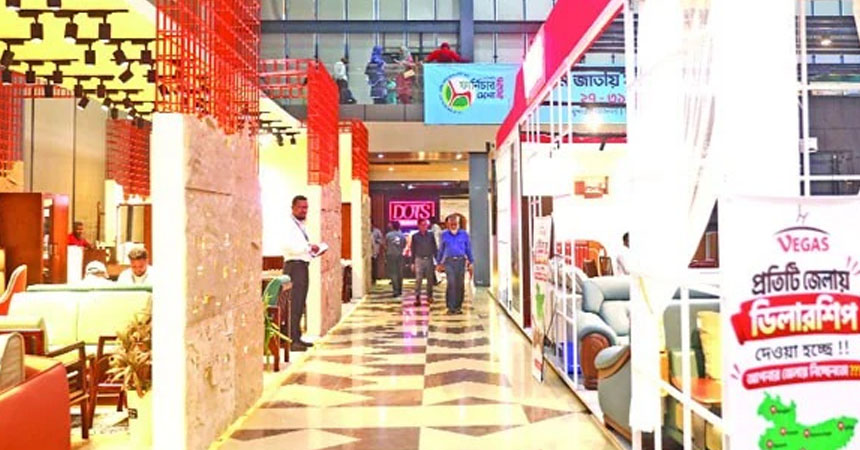
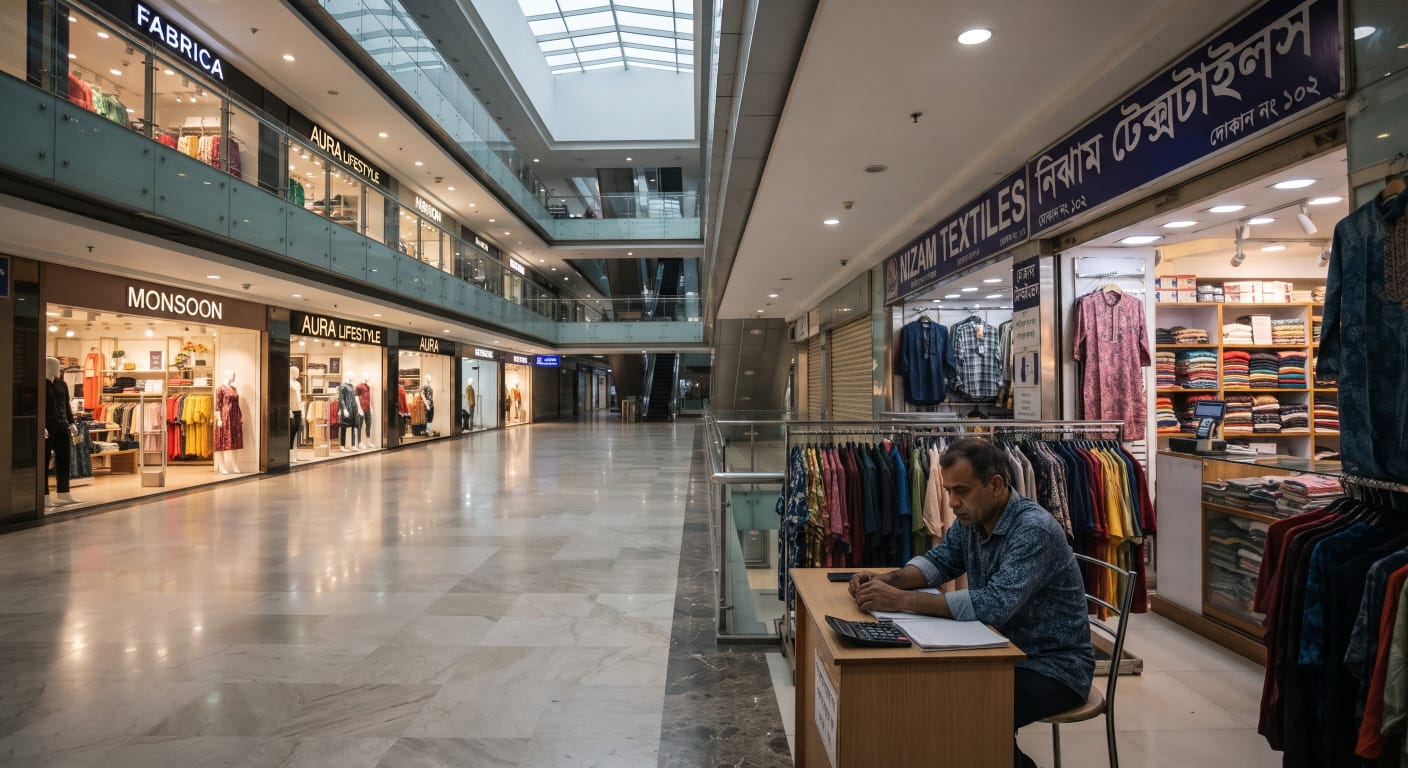
Traders report sitting with open storefronts for hours without seeing a single customer, often failing to make a single sale even past midday. Despite zero revenue generation, they are forced to bear steep monthly expenses, including shop rents, service charges, utility bills, and employee salaries. This widening gap between revenue and overheads is eroding capital and plunging numerous small and medium business owners deep into debt.
According to industry analysts, this crisis stems from multiple converging factors, including the rapid expansion of e-commerce, the prevalence of affordable footpath markets, declining consumer purchasing power, and soaring operational costs within physical shopping centers.
The proliferation of social media-based businesses and digital e-commerce platforms has fundamentally altered consumer shopping habits. The convenience of browsing, ordering from home, and home delivery has diverted a massive segment of buyers away from physical malls. Furthermore, because online vendors do not maintain expensive showrooms or large staff payrolls, they can offer products at significantly lower prices.
Concurrently, high inflation and soaring living costs force consumers to allocate the lion's share of their incomes toward essential expenditures like food, housing, and utilities. As a result, many households have slashed spending on non-essential items such as apparel, cosmetics, and luxury goods, delivering a direct blow to retail trade.
Conversely, operational expenditures in upscale shopping malls remain persistently high, encompassing expensive rents, electricity bills, central air conditioning, generator maintenance, and staff wages. Unable to sustain mounting operational losses while sales plummet, many business owners are accumulating crippling debts, with some forced to lay off staff or abandon their ventures altogether.
The closure of the Karnaphuli Garden City shopping complex at the Shantinagar-Kakrail intersection—which operated since 1998 before shuttering on October 1 due to persistent losses, customer shortages, and utility arrears—stands as a stark warning sign for Dhaka's retail sector.
To navigate this existential crisis, experts emphasize the urgent need for mall authorities and shop owner associations to negotiate reasonable reductions in rent and service charges. Integrating traditional storefronts with digital e-commerce channels, establishing joint online sales platforms, and transforming malls into lifestyle destinations through enhanced food courts and entertainment attractions are vital steps to lure shoppers back. Without timely administrative intervention, cost rationalization, and adaptive business strategies, thousands of livelihoods dependent on Dhaka's retail ecosystem face a precarious future.