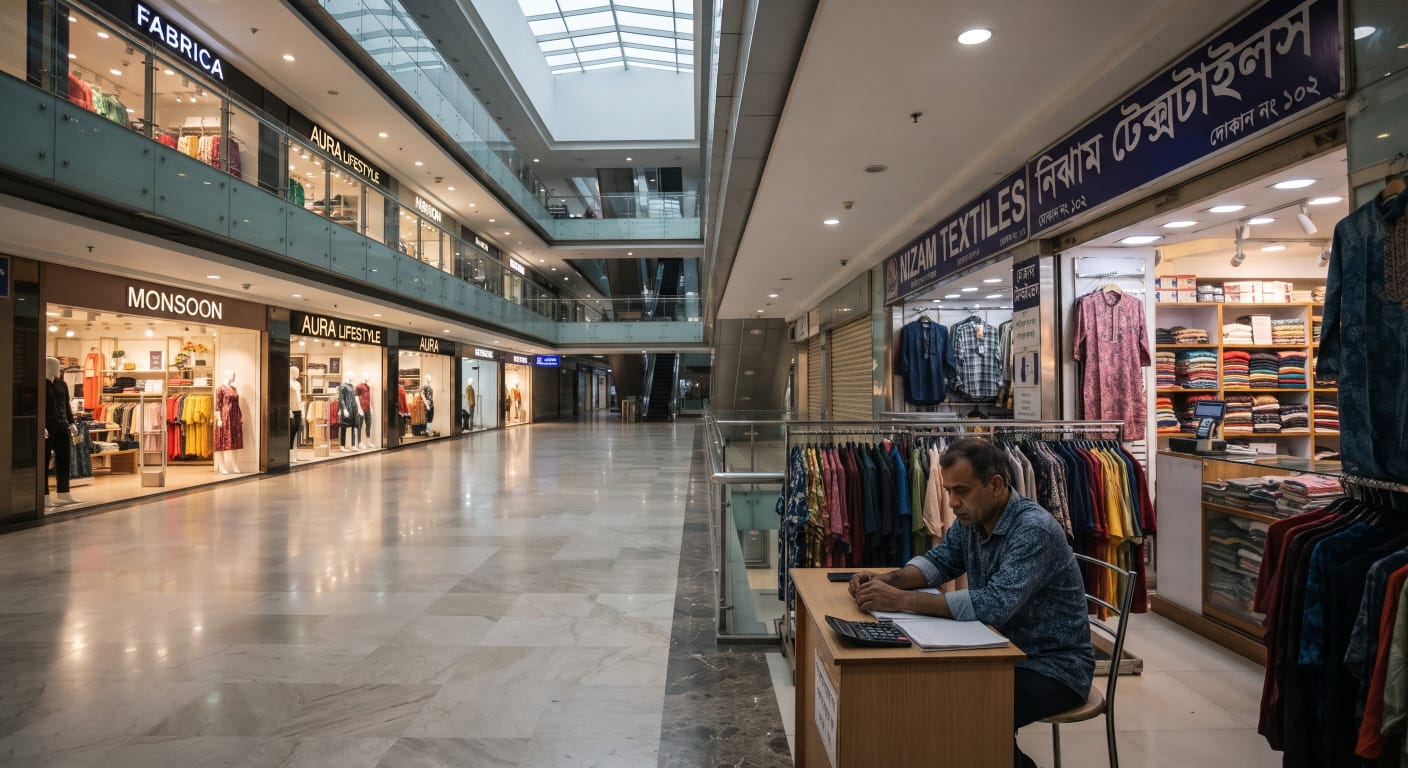
Opened in the late 1990s as a 20-story multi-use complex housing 198 retail spaces owned by 125 merchants, Karnaphuli Garden City epitomizes the crisis gripping traditional retail. Similar distress is eroding the once-thriving prestige of Eastern Plaza, Eastern Mallika, Police Plaza, Rapa Plaza, Bashundhara City's peripheral markets, Mouchak Market, and Shah Ali Market in Mirpur. With soaring operational expenses—such as rent, electricity bills, value-added taxes, and corporate fees—traditional store owners are buckling under overhead costs that footpath operators entirely bypass.
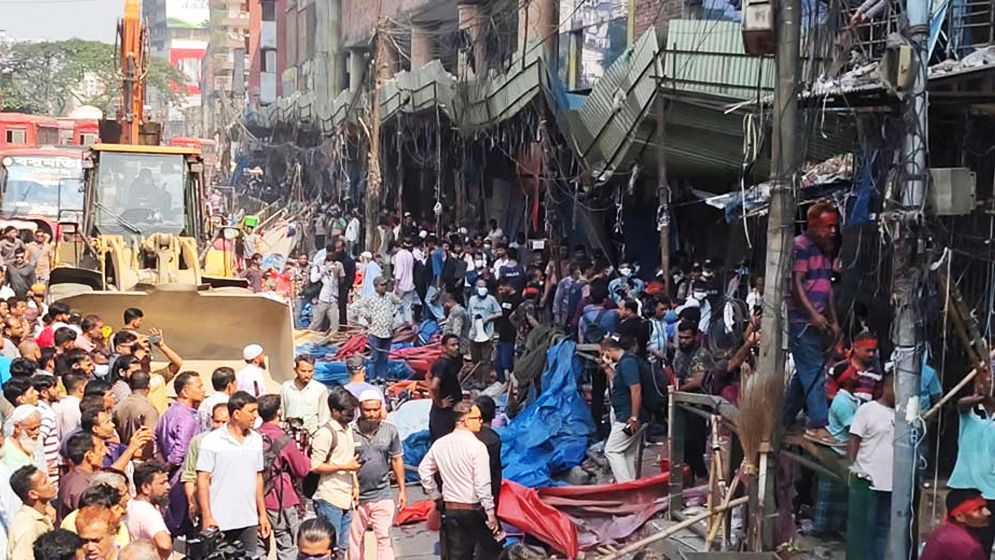
Footpath commerce operates largely outside the tax net, sustained by informal networks involving local political influencers, criminal syndicates, and corrupt law enforcement elements who allegedly extort millions in daily protection tolls. According to hawker federations, hundreds of thousands of itinerant vendors operate across Dhaka, paying daily tolls ranging from BDT 100 to BDT 1,500 depending on stall size and location. Because these vendors evade rent, utility, and tax obligations, they retail identical or low-grade products at heavily discounted prices, luring cost-conscious lower and middle-income consumers away from formal brick-and-mortar stores.
This informal economy inflicts profound damage on public infrastructure and national revenue. By capturing immense retail volumes without registering or paying value-added tax (VAT) and income tax, the illicit footpath trade deprives the state exchequer of critical development funds. Furthermore, illegal encroachments force pedestrians off sidewalks and onto active roadways, exacerbating traffic congestion, wasting valuable working hours, and degrading urban aesthetics.
Recognizing the multifaceted crisis, city corporations have launched aggressive clearance drives, reclaiming footpaths in areas like Mirpur, Uttara, and New Market by evicting illegal stalls and planting greenery to prevent reoccupation. However, officials emphasize that mere eviction without rehabilitation fails to solve the socioeconomic reality of livelihood security. Government directives stress the necessity of balancing pedestrian mobility with humane livelihood alternatives for displaced vendors.
Policy analysts point to successful international models, such as Bangkok’s structured street market system and Singapore’s regulated hawker centers, where authorities transformed informal vending into an economic asset through mandatory registration, transparent identification, designated operating hours, and reasonable municipal fees. Implementing a similar national hawker policy in Bangladesh—complete with formal registration, unique ID cards, designated trading zones operating during evening hours, and strict prohibitions against political extortion—could formalize the sector.
Integrating hawkers into a regulated framework promises a triple dividend: restoring pedestrian rights and traffic discipline, protecting marginalized livelihoods through legal state recognition, and converting an informal underground economy into a legitimate source of state revenue while easing the suffocating competitive pressures crushing formal shopping malls.