Amid these growing concerns, the body of Shahed Ahmed—a Bangladeshi worker killed in a missile attack on King Khalid International Airport in Riyadh on October 10—was repatriated. The flight carrying his remains landed at Hazrat Shahjalal International Airport in Dhaka at 8:35 AM on Friday. While Shahed’s return provided closure to his family, anxiety continues to build over the fate of approximately 7,500 Bangladeshi nationals currently languishing in various Saudi prisons.
State Minister for Foreign Affairs Shama Obayd Islam received the body at the airport, stating that coordinated efforts between the Ministry of Expatriates' Welfare and Overseas Employment and related agencies enabled the swift repatriation. Shahed is the 11th Bangladeshi migrant worker whose remains have been brought back since recent conflicts escalated in the Middle East.
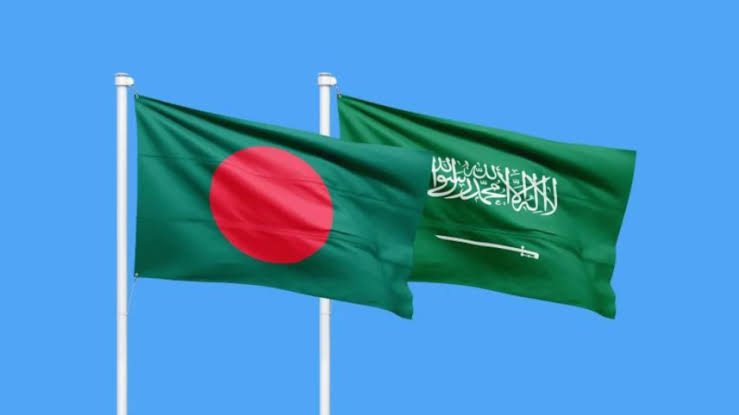
Noting that over four million Bangladeshis reside in Saudi Arabia, the State Minister emphasized that any development in the kingdom remains a matter of deep concern for the government. Expressing condolences to the deceased's family, she announced a financial grant of BDT 50,000 from the Expatriates' Welfare Ministry and the provision of free ambulance transport to his native village.
However, the recent execution of two Bangladeshis has brought government diplomacy under fresh scrutiny. While the State Minister confirmed that an official letter was sent to Saudi authorities regarding the two individuals, details remain undisclosed regarding what specific legal or diplomatic steps were taken prior to the executions, the outcomes of those efforts, or whether any window existed to commute the sentences.
Addressing the issue, the State Minister noted that every country operates under its own legal system and repatriating detainees involves complex procedures, adding that the incident involving the two individuals originated in 2023.
Critical questions persist over whether sending formal letters after the fact or citing foreign legal constraints fulfills the state's obligation to its citizens. Observers stress the need for clarity on how effectively embassies appoint defense counsel, monitor trial proceedings, maintain family communications, and engage in high-level diplomacy to mitigate severe sentences when citizens face grave charges abroad.
The situation has also drawn public comparisons to Sri Lanka's proactive repatriation and legal aid efforts for its citizens abroad, prompting questions about the speed, coordination, and impact of Bangladesh’s diplomatic machinery during overseas crises.
According to data provided by the State Minister, 7,500 Bangladeshis remain incarcerated across Saudi Arabia. Analysts argue that this substantial number highlights an urgent need to bolster consular assistance, maintain regular contact with detainees, and enhance the embassy’s legal capacity in the kingdom.
While Shama Obayd assured that the ministry acts swiftly whenever it learns of a citizen's conviction, stakeholders have called for greater transparency regarding how many detainees are awaiting trial, how many are convicted, the nature of their offenses, and how many are eligible for repatriation.
The State Minister also urged outgoing migrant workers to familiarize themselves with destination countries' laws and regulations beforehand. Addressing the exorbitant cost of migration, she revealed that the Prime Minister has instructed her to investigate intermediary rackets and middlemen driving up recruitment fees.
With millions of livelihoods at stake, experts emphasize that managing migration costs, ensuring physical safety, and delivering robust legal protection remain critical challenges. Rather than reacting after tragedies occur, they urge the government to establish proactive safeguards, transparent communication, and result-oriented diplomatic strategies to protect Bangladeshis abroad.