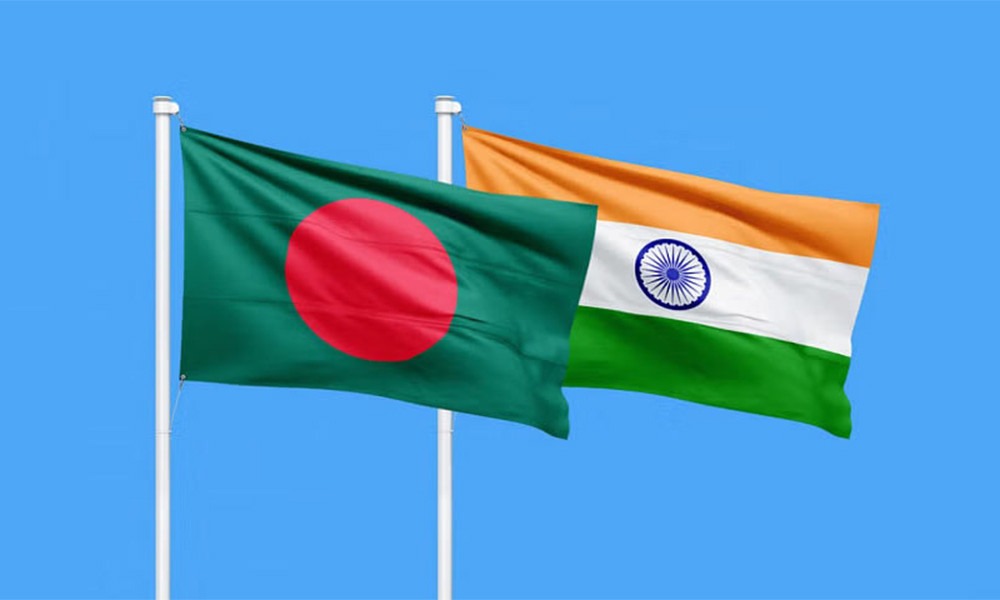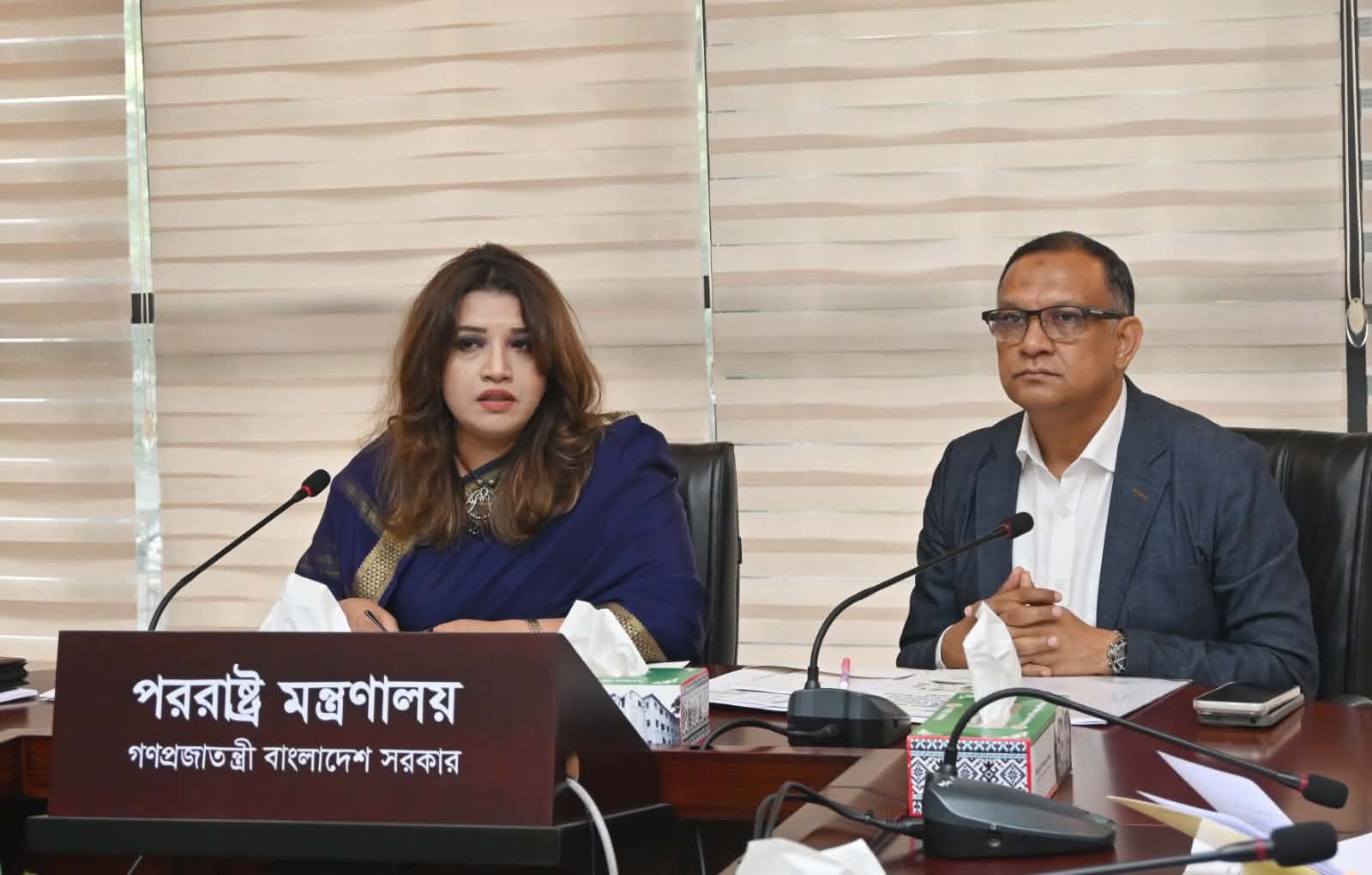

The BNP-led administration has advanced a diplomatic framework anchored in the traditional principle of "Friendship to all, malice towards none," alongside a "Bangladesh First" orientation prioritizing tangible economic, trade, and security benefits for the Bangladeshi people.
Historical Precedents and Strategic Pragmatism
Geographic and economic interdependencies make maintaining functional relations with India essential. Shared borders, transboundary rivers, bilateral trade, energy grids, and cross-border security require structured diplomatic engagement.
Historical precedents reflect a tradition of pragmatic diplomacy during key political transitions:
The Post-1975 Era: Following the political shifts of 1975, late President Ziaur Rahman visited India on December 21, 1977, at the invitation of then-Indian Prime Minister Morarji Desai. Despite internal political debate, the visit facilitated the Ganges Water Sharing Treaty, securing a major diplomatic outcome for Bangladesh's water rights. His broader policy emphasized multilateral diversification—strengthening ties with Japan, China, and Middle Eastern nations while maintaining functional engagement with India.
The Democratic Era: Former Prime Minister Begum Khaleda Zia maintained a similar pragmatic framework, undertaking official visits to India in 1992 and 2006, as well as an official visit as Leader of the Opposition in 2012. Throughout these engagements, she reiterated that state interests necessitated constructive relations with neighboring nations.
Re-evaluating Recent Diplomatic Strains
Diplomatic observers note that periods of heightened tension or public anti-India rhetoric have yielded limited economic or strategic benefits for Bangladesh. Past diplomatic friction impacted trade flows, visa operations, border management, and cross-border travel without resolving core bilateral disputes such as the Teesta water-sharing agreement or high-value power contracts.
Recent measures—including trade and port restrictions—underscored the economic vulnerabilities associated with prolonged diplomatic impasses. Bangladesh's manufacturing and readymade garment (RMG) sectors rely significantly on Indian raw materials, including cotton, yarn, chemicals, and machinery components. Sourcing these inputs from distant markets increases freight costs, extends lead times, and reduces export competitiveness.
Conversely, recent diplomatic signals suggest a mutual interest in normalizing ties:
Indian External Affairs Minister S. Jaishankar visited Dhaka to convey condolences following the passing of Begum Khaleda Zia.
Indian Prime Minister Narendra Modi extended congratulations to Prime Minister Tarique Rahman upon his election, issuing formal invitations for high-level bilateral engagements.
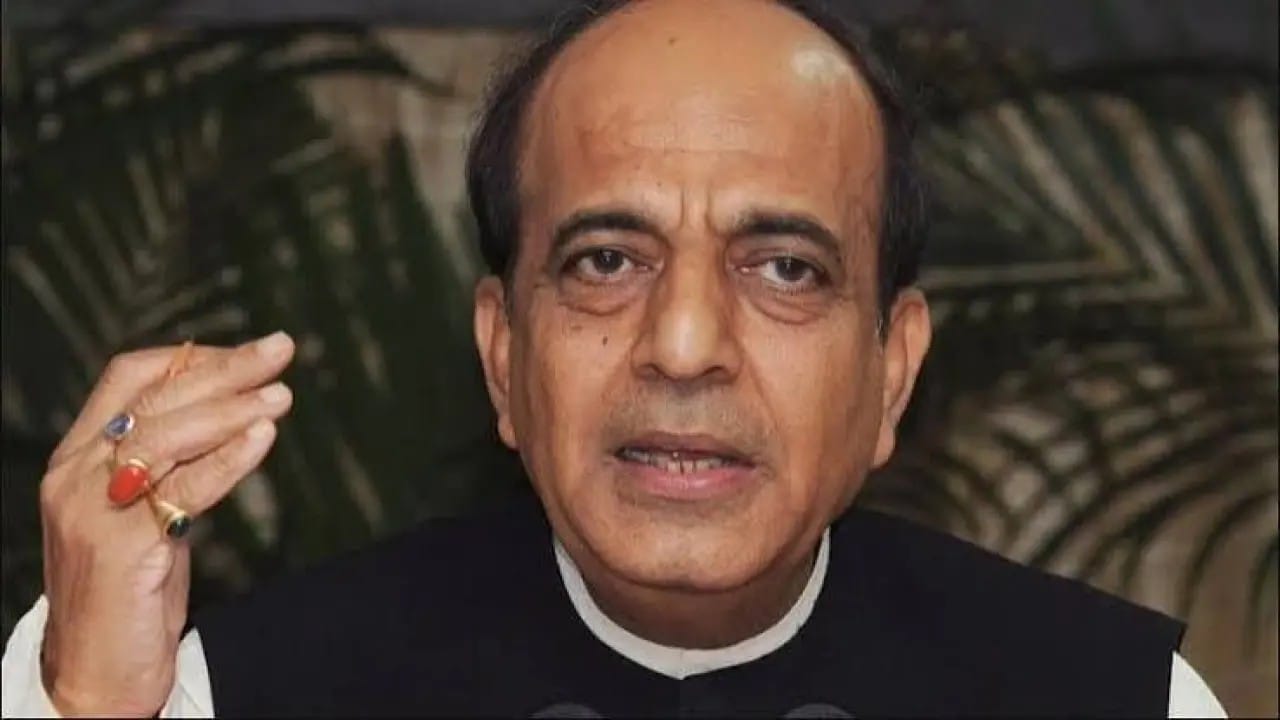
India appointed senior diplomat Dinesh Trivedi as High Commissioner to Bangladesh and initiated steps to restore regular visa processing.
Bilateral discussions have resumed regarding energy supply arrangements and agricultural trade to stabilize domestic market availability.
Safeguarding Sovereign Interests Through Dialogue
Diplomatic analysts emphasize that pursuing constructive relations does not require compromising on critical national issues. Bangladesh must maintain firm, evidence-based positions regarding transboundary water allocation, border security, trade imbalances, and non-tariff barriers.
Key bilateral areas requiring ongoing technical and political dialogue include:
Transboundary Water Management: Negotiating equitable water shares across 54 shared rivers, including the renewal of the Ganges Water Treaty.
Border Security & Law Enforcement: Enhancing information-sharing to combat cross-border trafficking, narcotics, and regional security threats.
Regional Connectivity: Leveraging transit and trade corridors connecting Bangladesh with Northeast India, Nepal, and Bhutan to position Bangladesh as a regional economic hub.
The 'Bangladesh First' Diplomatic Framework
Prime Minister Tarique Rahman’s 'Bangladesh First' policy faces a practical evaluation. Analysts suggest that an effective foreign policy should balance relations across key regional and global partners—including India, China, the United States, Japan, the European Union, and Gulf states—without allowing single-issue disputes to halt broader cooperation.
Diplomatic resolution ultimately relies on direct engagement at the negotiating table. Accepting high-level invitations and pursuing structured dialogue allow Bangladesh to firmly assert its national interests while maintaining vital economic, trade, and strategic stability.