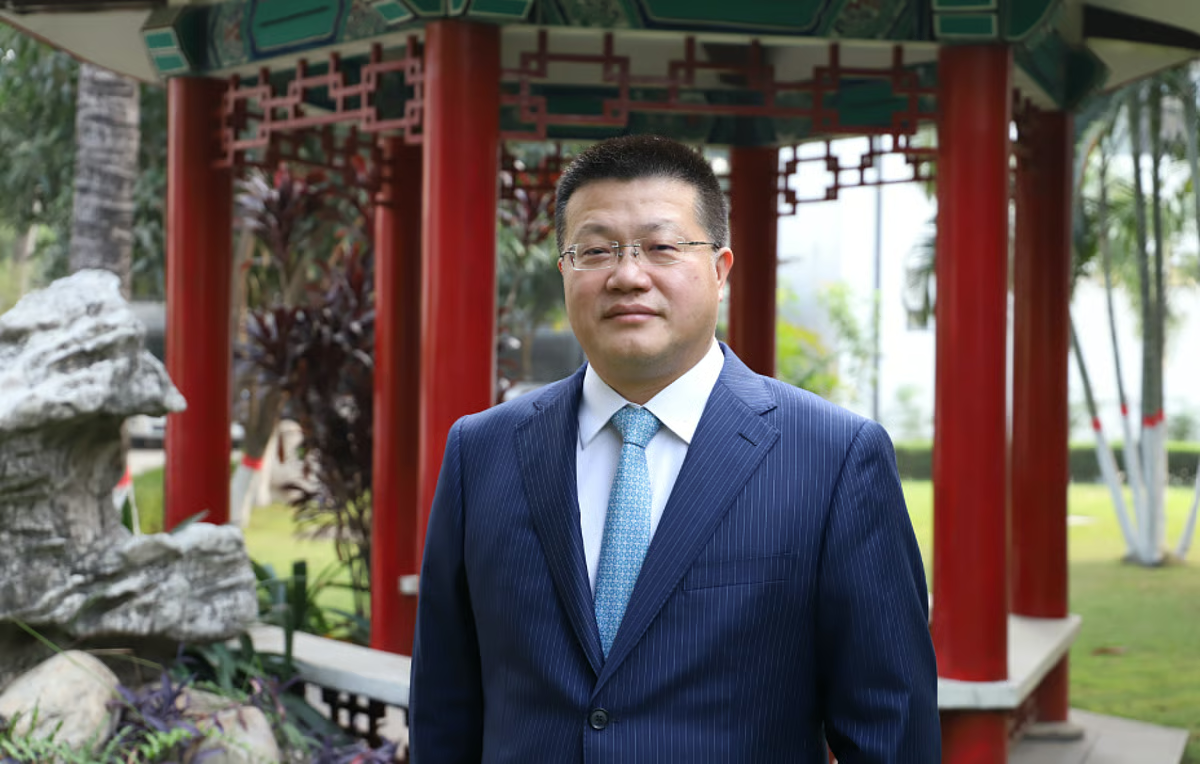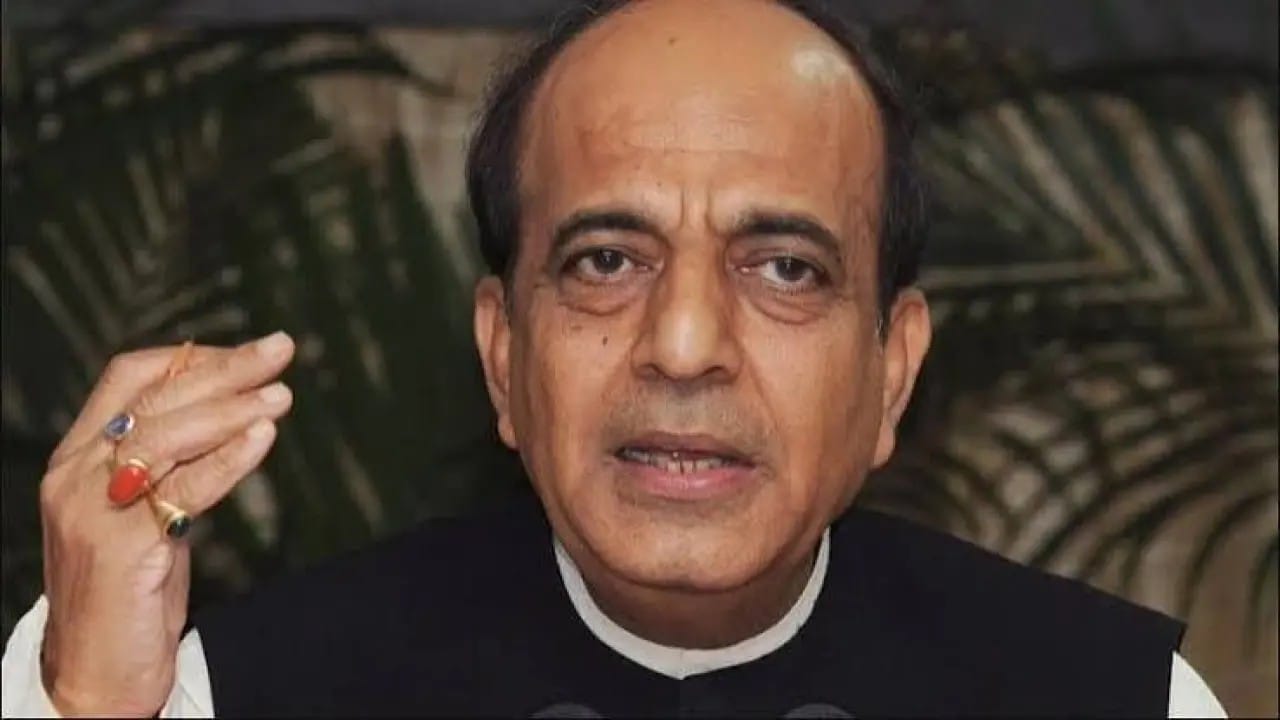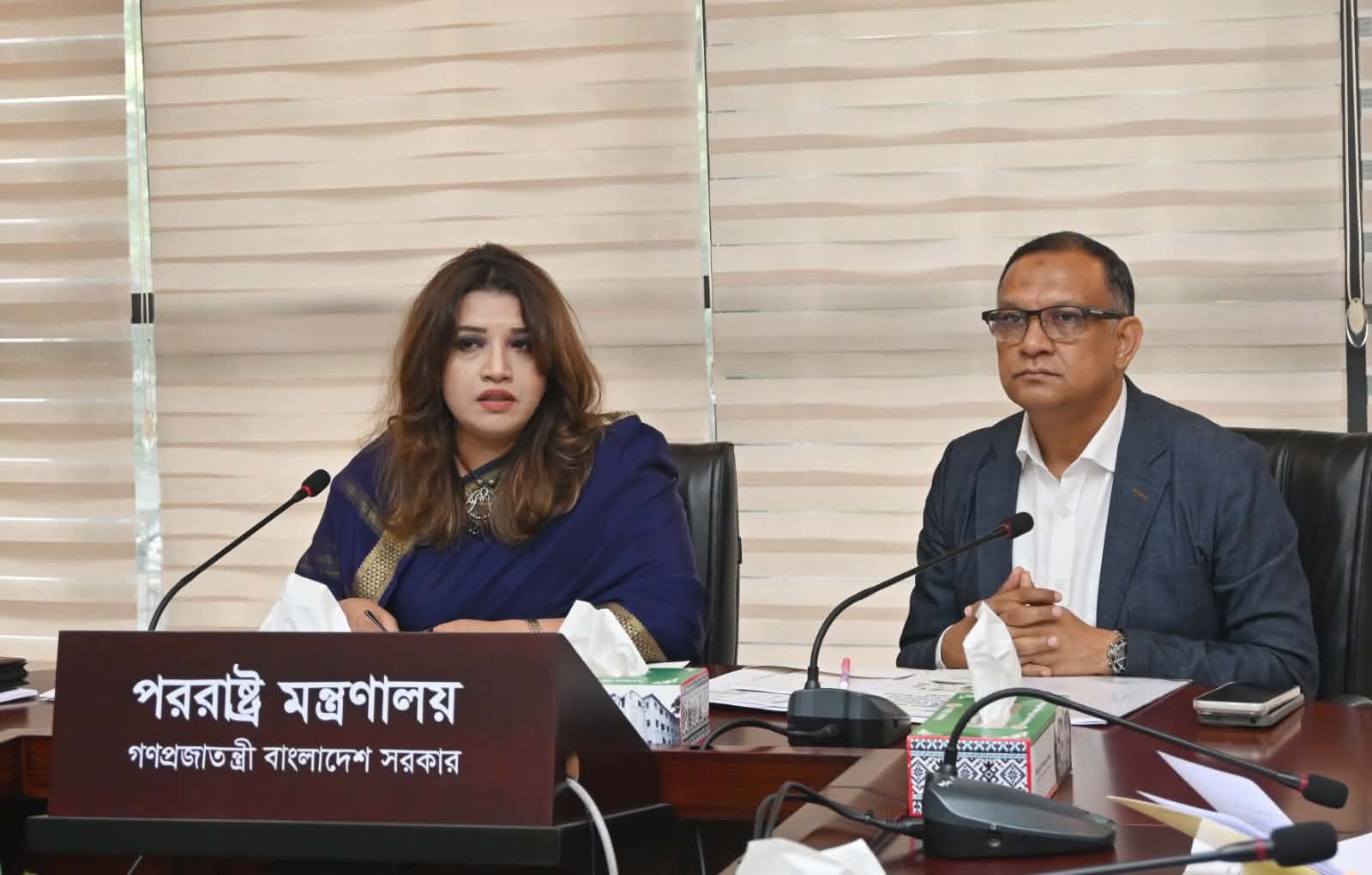
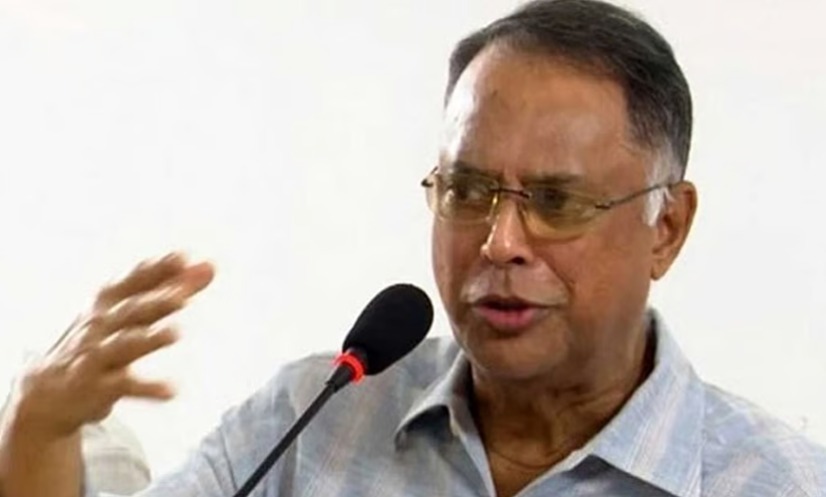
Iqbal Hasan Mahmud, Minister for Power, Energy, and Mineral Resources, disclosed these plans while speaking as the chief guest at a seminar titled "Energy Sector Crisis: Prospects and Ways Forward." Organized by the Forum for Energy Reporters Bangladesh (FERB), the seminar was held at the Samson H. Chowdhury Hall of the Dhaka Club in the capital.
The Minister emphasized that the government aims to actively encourage private investment. Drawing parallels with neighboring India, he noted that private companies operate alongside state-owned enterprises in marketing petroleum products. In Bangladesh, opportunities will similarly be created for private entrepreneurs alongside state corporations such as Padma, Meghna, and Jamuna.
Addressing past supply disruptions, the Minister noted that the outbreak of war in the Middle East shortly after he took office triggered uncertainty regarding fuel availability. Despite government assurances, long queues formed at various gas stations, subsequently leading to instances of black-marketing and illegal online sales. Following consultations with Prime Minister Tarique Rahman, the proposal to integrate the private sector into the petroleum business was formally introduced.
He clarified that a specific legislative framework or policy will be enacted—one that applies uniformly to all eligible entities rather than favoring any single firm. A structured framework will also be established for private-level fuel oil imports to ensure an open, competitive business environment.
Addressing allegations of conspiracies within the energy sector, he remarked that while political activities are natural, they should not run counter to national interests or exacerbate existing crises.
Regarding renewable energy, Iqbal Hasan Mahmud highlighted the government’s aggressive plan to expand rooftop solar installations. Policy incentives, including a five-year tax holiday, have been introduced to attract investors, with a target to generate 10,000 MW of solar power.
He stated that private entrepreneurs will be engaged to install rooftop solar systems across Dhaka and other regions using cluster-based and OPEX models. The government will prioritize project implementation through private investors rather than direct public capital expenditure.
On coal-based power generation, he mentioned that while establishing additional coal power plants remains under consideration, the government must exercise caution given the global decline in coal project financing.
The Energy Minister expressed optimism regarding collaboration with Malaysia's state energy company, Petronas, to tap into the potential of the Bhola gas field. He shared that Prime Minister Tarique Rahman discussed the matter with the Prime Minister of Malaysia, followed by online meetings with Petronas leadership and its Chairman. A Bangladeshi delegation has recently returned from a official visit to Malaysia. He expressed confidence that effective progress on the Bhola field would be achieved with Petronas’ assistance.
Highlighting the impact of the gas shortage on the industrial sector, the Minister noted that inadequate gas supply severely hinders industrial production and cash flow, escalating the risk of loan defaults among entrepreneurs. He reaffirmed that the government does not want any business owner forced into bank default due to state supply failures.
Acknowledging that recent LNG supply bottlenecks have created widespread energy strain, the Minister stated that the government is prioritizing measures to minimize the impact on industrial manufacturing. He added that an interactive session involving the Prime Minister, industrial entrepreneurs, and energy experts will soon be convened to address the industrial crisis.
Regarding offshore oil and gas exploration tenders, he informed that the bidding round has already commenced. To attract foreign investment, he plans to visit Houston, USA, to engage directly with major international energy firms and invite them to participate in Bangladesh's offshore exploration.
The Minister also expressed a receptive stance on proposals to use LPG as an industrial alternative to natural gas, assuring that if the option proves viable and beneficial for industry, approvals will be processed without delay, prioritizing industrial and economic growth.
Speaking as a special guest, Anindy Islam Amit, State Minister for Power, Energy, and Mineral Resources, noted that while the country’s power generation capacity stands at nearly 30,000 MW, power plants cannot operate at full capacity due to fuel shortages. He stated that if gas-fired power plants could run at capacity, the current power crisis could be largely avoided. National demand for gas across production and imports stands at approximately 1,200 million cubic feet per day (mmcfd), whereas domestic production is declining by around 150 mmcfd annually.
Highlighting the constraints of scaling up LNG imports, the State Minister explained that financial availability alone cannot instantly increase imports without necessary infrastructure. Commissioning a new Floating Storage Regasification Unit (FSRU) typically takes 30 to 36 months, though the government is striving to make it operational in under two years.
He added that work on the third and fourth FSRUs is underway, along with initiatives to build a land-based LNG terminal in Matarbari, for which land has been identified and tenders for transaction advisers have been issued.
Additionally, Amit outlined plans for state participation in the LPG sector, where the government intends to import bulk LPG and leverage existing public infrastructure and manpower to stabilize the market.
On renewables, he stated that preparations are underway to generate nearly 10,000 MW of renewable power over the next four and a half years, with 40 to 60 percent coming from rooftop solar and the remainder from land-based projects. He confirmed that the offshore bidding round is scheduled to conclude in November, while preparations for onshore bidding rounds are also in progress.
During the seminar, Azam J. Chowdhury, Chairman of East Coast Group, remarked that policy uncertainty and unilateral decisions discourage private investment. He emphasized that artificial price suppression cannot sustain long-term economic development and urged the adoption of competitive average costs across all energy sources.
Presenting the keynote paper, energy expert Dr. Ijaz Hossain stated that FSRUs and LNG imports remain indispensable for immediate crisis management, though they do not offer a permanent solution as energy deficits are closely tied to dollar availability.
In the panel discussion, Professor M. Tamim, energy expert and Vice-Chancellor of Independent University, Bangladesh, noted that there is no single immediate fix for the crisis. With domestic gas output falling, he recommended a combination of boosting local production, importing necessary fuel, maximizing coal plant utilization, and rapidly adding 2,000 to 3,000 MW of solar power to the national grid.
Shamsul Alam, Energy Adviser to the Consumers Association of Bangladesh (CAB), urged fundamental reforms to move away from past paradigms, warning that failure to do so would leave the current administration accountable for ongoing shortcomings.
David Hasnat, President of the Bangladesh Independent Power Producers Association (BIPPA), highlighted that nearly 7,000 MW of power generation remains idle due to gas shortages, stressing the urgent need to operationalize a third FSRU within two years.
Presided over by FERB Chairman M. Azizur Rahman, the seminar opened with welcome remarks by Executive Director Serajul Islam Siraj. Senior officials from the Ministry of Power, Energy, and Mineral Resources, policymakers, private energy entrepreneurs, and business leaders attended the event.