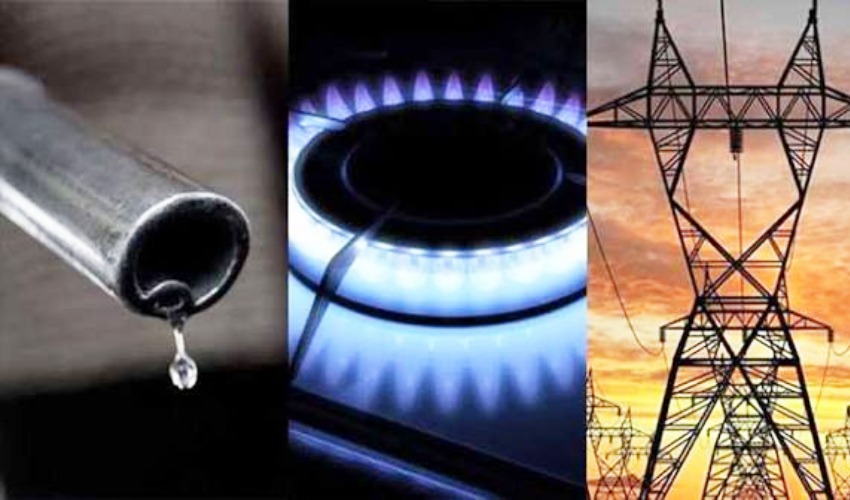
Against this backdrop, the government’s initiative to open refined oil imports, storage, transport, distribution, and sales to the private sector is timely. Yet, this should not be viewed merely as a routine policy shift; rather, it presents a vital opportunity to transition away from a long-standing state monopoly towards a competitive market system.
Economic development cannot be sustained by the state alone. When an economy is small, a government can manage much of it with limited capacity. But as it grows, so too does the demand for industry, trade, imports, and energy. At that stage, it becomes unrealistic for the state to bear the entire burden single-handedly – and Bangladesh has now reached that critical inflection point.
A glance at the national energy landscape highlights this reality. For years, the country has relied heavily on a single primary refinery. Meanwhile, the population has grown, industries have multiplied, the transport sector has expanded, and the overall size of the economy has ballooned. Refining capacity, by contrast, has not grown proportionately, forcing the nation to import vast quantities of refined oil from abroad.
This raises an obvious question: why shouldn’t the private sector be allowed to step in?
If a private entity wishes to establish a refinery using its own capital, import fuel, or build storage and distribution infrastructure, it should be given the leeway to do so. This opportunity must extend beyond domestic firms to include foreign investors as well. If investors from Saudi Arabia, the UAE, Turkey, or Europe express interest in constructing refineries or energy infrastructure in Bangladesh, an enabling environment must be created for them.
The government could also act as a partner in these ventures. Constructing large refineries or energy facilities does not require the state to fund projects entirely on its own. However, opening the market to private players does not mean abandoning it to total deregulation. On the contrary, this is where the government’s most vital role lies. Rather than acting as an owner or trader, the state must strengthen its position as a regulator. Fuel prices, product quality, supply costs, reserves, market competition, and consumer rights must all remain subject to strict oversight.
Regulatory bodies such as the Bangladesh Energy Regulatory Commission (BERC) must be empowered accordingly. It is the government’s responsibility to ensure that no single company establishes a monopoly, creates artificial shortages, or overcharges consumers. In other words, while the state need not step away from business entirely, it must allow the private sector to compete alongside public enterprises. Competition naturally enhances efficiency. A private business operator, fully aware of competitors in the market, is driven to improve service, cut costs, speed up delivery, and retain customers. The energy sector is no exception to this logic.
At present, when an industrial unit faces an energy crisis, it often has no alternative options and remains entirely dependent on the state-run supply system. Allowing private firms to import, refine, and distribute fuel would create alternative sources in the market. If one supplier experiences a shortfall, another can plug the gap. A diversified supply network is, after all, a fundamental pillar of energy security.
Our misstep elsewhere has been assuming that the state must handle everything. Yet, numerous economies worldwide run major sectors through a synergy of public and private enterprise. Bangladesh can draw valuable lessons from the experiences of nations such as India, Pakistan, Sri Lanka, Vietnam, Malaysia, and Indonesia. In today’s changing global reality, the government must clearly demarcate which tasks it should undertake itself and which should be delegated to the private sector.
Port management offers a case in point. If unloading a vessel at a domestic port takes 10-12 days – compared to just 2-3 days in other countries – who bears the financial loss of that delay? Ultimately, the burden falls on businesses and everyday consumers. Therefore, wherever the private sector can introduce efficiency – be it in port operations, energy transport, or general infrastructure management – it should be allowed to do so.
Crucially, inviting private investment does not mean a decline in government revenue. Instead, the state stands to gain through taxes, VAT, licensing fees, rents, royalties, and other revenue streams. Handing over the heavy lifting of infrastructure operation and maintenance to private firms also eases the strain on public expenditure, whilst driving up overall investment.
Increased investment will spur the construction of new refineries, jetties, storage facilities, and transport networks. This, in turn, will generate employment and open new avenues for educated unemployed youth. As business and industry expand, the broader economy will reap the positive spillover effects. Currently, one of the biggest hurdles facing Bangladesh’s economy is stagnant investment. When GDP growth slows, boosting fresh investment and job creation becomes all the more critical. Under these conditions, failing to ease the path for private capital will make it difficult to sustain rapid economic momentum. The same principle applies to foreign direct investment (FDI). Foreign investors will only commit to Bangladesh if they see swift decision-making, policy stability, protected investments, and an absence of unnecessary hurdles.
If Bangladesh remains stagnant, it will struggle to attract foreign capital. The country must first demonstrate its capacity and potential. The government needs to lead the way by giving the private sector room to thrive, which will naturally encourage foreign investors to partner with us. Transparency, however, is paramount. Licensing, approvals, imports, storage, and distribution must all follow transparent, competitive processes, with entities selected strictly on merit and financial capacity. The cornerstone of this policy framework must be ensuring fair competition and safeguarding consumer interests.
Existing state refineries and distribution companies will remain operational alongside new private entrants, fostering healthy public-private competition. Consumers and industrial sectors will ultimately reap the rewards.
Achieving true energy security requires more than just increasing imports; domestic refining capacity must be expanded, storage facilities upgraded, and transport and distribution networks modernised. Creating avenues for private investment in these areas is essential. While the government could theoretically build a large refinery on its own, doing so would require immense capital, time, and managerial capacity. Engaging domestic and foreign private investors instead would lighten the state’s financial burden and improve project execution efficiency.
The government cannot do everything alone, nor can the energy sector operate without state oversight. What is required is a balanced framework where the government acts as regulator and policymaker, while the private sector is empowered to invest, operate, and compete.
As the Bangladeshi economy expands, hanging on to outdated structures is no longer an option. The time has come for the energy sector to move away from state monopolies toward public-private partnerships and a competitive market framework. A robust economy requires investment; attracting investment requires opening doors to the private sector; and keeping that investment safe requires a strong regulatory state. This balance holds the key to Bangladesh’s future energy security and sustained economic growth.
The writer is an economist, capital market analyst, and chairman of the Investment Corporation of Bangladesh (ICB)